

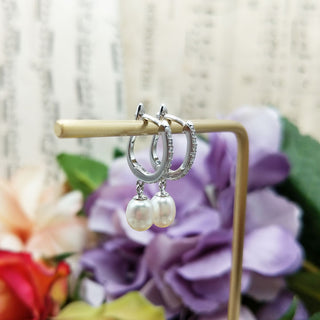
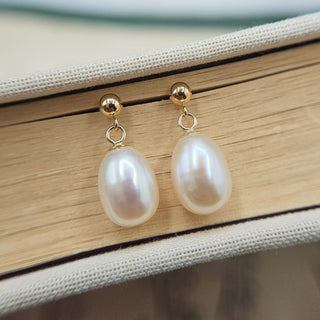
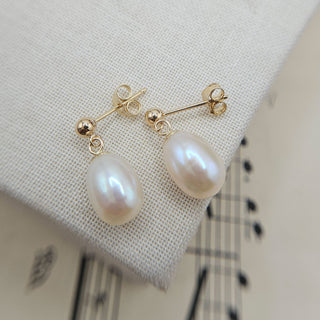
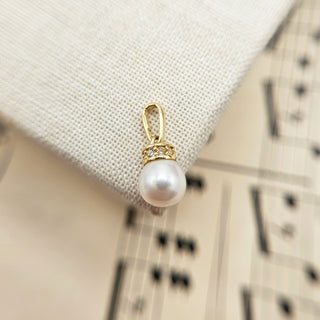


About Pearl
Pearls, a unique gemstone formed within molluscs, are celebrated for their natural beauty and elegance. Unlike other gemstones mined from the earth, pearls are organic, created when a mollusc secretes layers of nacre around a foreign substance.
Natural vs Cultured: Pearls are categorised as either natural or cultured, with the latter representing the majority in today's market. Natural pearls form spontaneously in the wild, without any human intervention, making them exceedingly rare. Cultured pearls, on the other hand, are a result of a process initiated by humans, where an irritant is intentionally introduced into a mollusc to stimulate nacre production. This technique, developed at the turn of the 20th century, revolutionised the pearl industry, making pearls more accessible. As a result, most pearls available in the market today are cultured, offering a wide range of sizes, colors, and shapes to suit various preferences and budgets.
Various species of molluscs, including oysters and mussels, are capable of producing pearls. The most well-known are the Pinctada species for saltwater pearls and the freshwater mussels of the family Unionidae. The geographical distribution of pearl-producing molluscs is global, with notable regions including Japan, China, Australia, and the Persian Gulf for saltwater pearls, and the United States and China for freshwater varieties.
Freshwater vs Saltwater: Pearls are classified into two primary categories: freshwater and saltwater. Freshwater pearls are cultivated in rivers and lakes and are known for their diverse shapes and sizes. Saltwater pearls, including the prized Akoya, Tahitian, and South Sea varieties, are typically rounder and more lustrous. The colors of pearls vary widely, ranging from classic white to black, with shades of pink, blue, green, and gold. These colors depend on the type of mollusc and environmental factors.
Pearl Care: Care for pearls is paramount, as they are softer and more vulnerable to damage than other gemstones. They should be kept away from cosmetics, hairspray, and chemicals. After wearing, wiping with a soft, damp cloth can help maintain their lustre. They do not require any other type of cleaning.
Pearl Storage: Pearls should be kept separately from other jewelry to prevent scratches. A fabric-lined box or pouch is ideal. It is also recommended to wear pearls regularly, as their luster can benefit from the natural oils and moisture in one's skin. Pearls should not be stored in an airtight container, as they will dry out and break down.
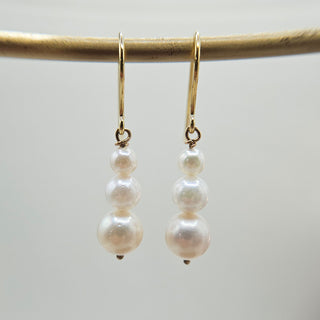
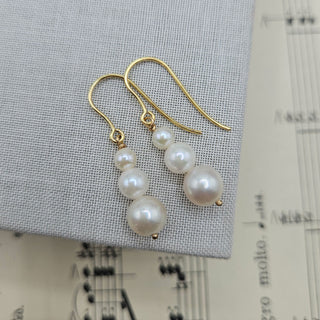
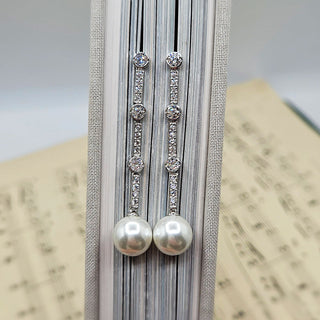
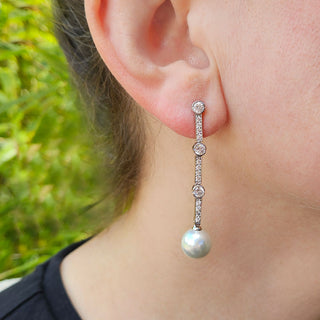
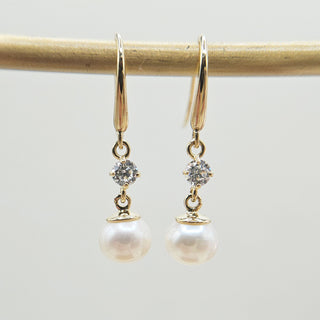
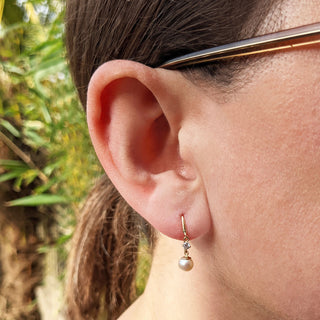
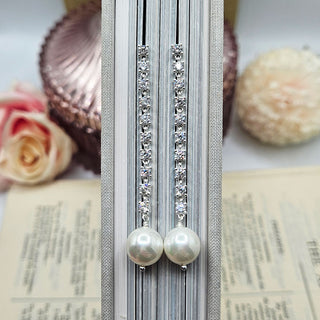
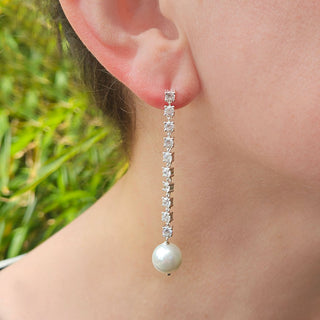
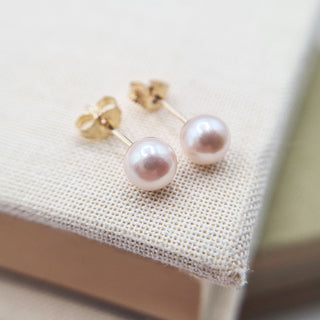
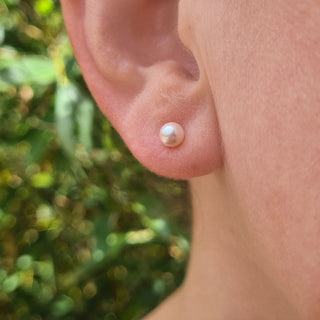
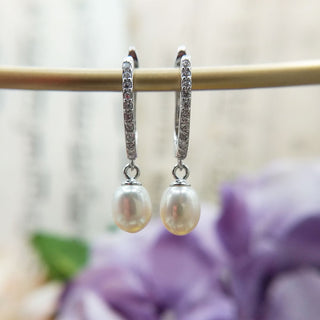
Jewellery & Value: Pearls are versatile, used in necklaces, earrings, bracelets, and rings. They are favored for their timeless elegance and ability to complement any attire. The value of pearls is determined by several factors, including luster, size, shape, color, and surface quality. Cultured pearls are generally more affordable than natural pearls, which are exceedingly rare and valuable. Pearls are the birthstone for June, symbolising purity, humility, and innocence.
Famous Pearls: Historically, pearls have been associated with wealth and status. Famous pearls include:
- La Peregrina: Dating back to the 16th century and was owned by European royalty and later by actress Elizabeth Taylor.
- The Hope Pearl: One of the largest and most famous saltwater pearls, known for its unique drop-shape and rich history.
- The Black Pearl of Tahiti: Known for its stunning dark color, a prime example of the unique beauty found in Tahitian pearls.
These pearls not only reflect the beauty and rarity of the gemstone but also embody rich histories, making them treasures beyond their material value.
What is 'Mother of Pearl'?
Mother of pearl, also known as nacre, is an organic-inorganic composite material produced by certain mollusks as an inner shell layer. It is the same substance that is secreted by the mollusc to form the outer coating of pearls, hence its name. Mother of pearl is renowned for its iridescent sheen and is a blend of minerals that are deposited in thin layers, making it strong, resilient, and exquisitely lustrous.